

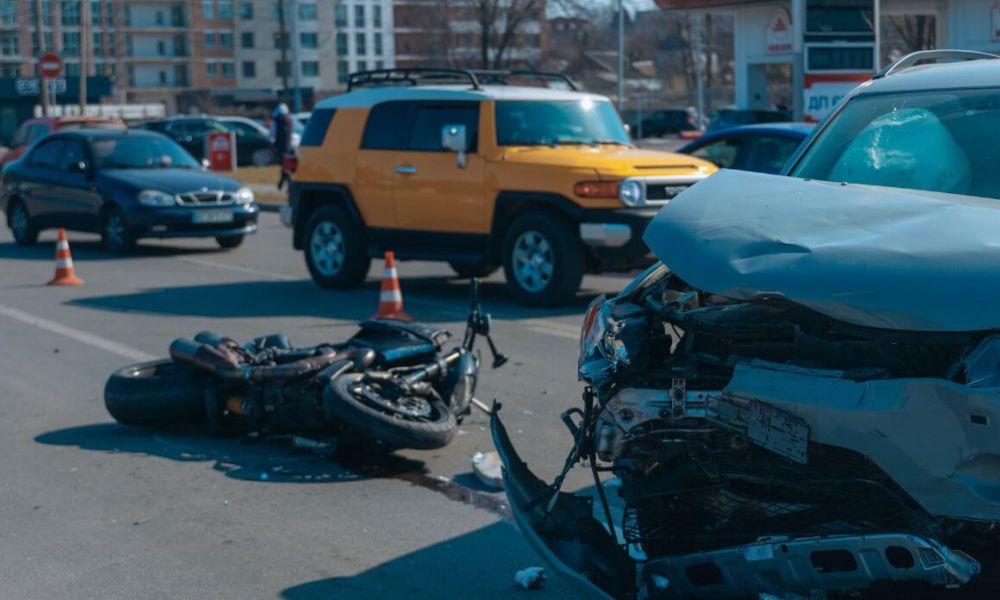
Pedestrians are capable of causing many accidents on the streets of NYC. A person could step off the curb on a green light that isn’t for them. Their eyes are locked onto their screen, AirPods sealing off the noise of the street. You can probably guess that this could potentially not end well. In New York, distracted walking can tip a calm block into chaos, involving the help of a Brooklyn car accident lawyer to sort out the legal aftermath.
It’s Not Just About Phones (Though They Don’t Help)
While phones are part of it, distraction on NYC sidewalks is bigger than just texting. There are FaceTime calls held at arm’s length, noise-canceling headphones at full blast, tourists craning their necks at buildings while drifting into traffic, and delivery workers juggling bags and looking at the app on their phones.
As a pedestrian, you need to keep in mind that walking in this city isn’t something you can do passively. You have to read signals on the road. If you miss one cue, the margin for error disappears, and the risk of an accident occurring is higher.
When Pedestrian Behavior Forces Driver Errors
Drivers are told all the time to slow down, stay alert, and expect the unexpected. That’s fair, but there’s always another side to the story. The behavior of pedestrians is what causes drivers to make such snap decisions on the road that can lead to an accident.
A pedestrian could stop dead in a crosswalk to answer a call. Another suddenly turns back because they forgot something. A third steps off between parked cars. The driver brakes hard, but the car behind doesn’t expect it. Now you’ve got a rear-end crash that began with a footstep.
Borough Streets Change the Risk Equation
All the streets in New York aren’t the same, which extends to the risks.
In the Bronx, wider roads and faster traffic create a false sense of safety for walkers. People assume drivers have time to react, but oftentimes, they don’t. It’s why conversations with a Bronx car accident lawyer so often circle back to surprise entries into traffic rather than speed alone.
Queens has long crossings that tempt people to rush through the last section or change direction mid-way. At night, depth perception reduces, so drivers see motion and not intention. Ask a Queens car accident lawyer, and you’ll hear how quickly being confused on the road turns into a crash.
Brooklyn has bikes, scooters, ride-shares, and double-parked vans, all of which overlap. Pedestrians squeeze past the gaps between vehicles, and drivers have to guess what their next move is. A Brooklyn car accident lawyer will tell you many crashes start with someone assuming they’re seen when they’re not.
While they are all different boroughs, they have the same problem of attention spreading too thin.
The Chain Reaction Nobody Talks About
Accidents rarely stay contained. A sudden stop by a pedestrian ripples outward that can cause a cyclist to swerve, a scooter to clip a mirror, or a bus to brake hard. They’re everyday incidents that don’t make headlines because they aren’t dramatic, but still leave people hurt.
Determining who’s at fault becomes blurry fast. Drivers are blamed by default, while pedestrians are mostly untouchable. Insurance adjusters start drawing diagrams that don’t capture the full story of what happened.
Why Pedestrian-Caused Accidents Feel “Uncomfortable” to Discuss
Talking about pedestrian responsibility feels taboo. New York culture leans hard on the idea that walkers always have the right of way. Legally, often they do, but safety isn’t the same as legality.
Pedestrians deserve protection, and pedestrians can create risk. Both can be true. Acknowledging that doesn’t shift blame but spreads awareness. It says everyone plays a role in keeping the street predictable.
What Pedestrians and Drivers Can Do Differently
Here are some habits that are good to ingrain into your head while you’re navigating this city.
For pedestrians:
- Make eye contact before crossing. It still works.
- Keep movement steady in crosswalks with no sudden reversals.
- Drop one earbud, especially at busy intersections.
For drivers:
- Expect hesitation near parked cars and bus stops.
- Treat phone-heavy corners as hazard zones.
- Leave space. It buys time when someone does something odd.
These aren’t rules carved in stone, but they’re adjustments that New Yorkers make every day without thinking once they notice the pattern.
Conclusion
You don’t need better tech or louder warnings. You need presence. The simple act of looking up or signaling intent does more than any signpost.
NYC streets are a shared language. When walkers and drivers stop listening, even briefly, misunderstandings can turn into something catastrophic. Pay attention. In this city, that’s often the difference between a close call and dealing with the aftermath.