

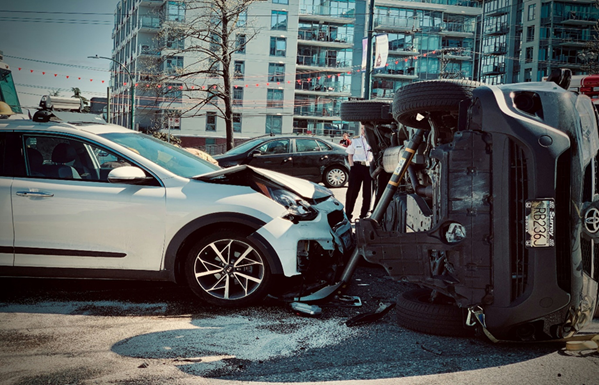
As car accident trends continue to shift across Florida, vehicle safety technology has become a key factor in reducing road injuries and preventing collisions. Many drivers are familiar with common tools like backup cameras and blind-spot monitors, but newer vehicles now come equipped with far more advanced systems designed to anticipate risk and intervene before an impact occurs. For Florida drivers navigating congested highways, unpredictable weather, and fast-changing traffic patterns, these features can make a meaningful difference.
Automotive manufacturers have invested heavily in technologies that analyze road conditions, identify potential hazards, and support the driver during moments of distraction or limited visibility. Systems like adaptive cruise control, forward-collision warnings, lane-keeping assistance, automatic emergency braking, cross-traffic alerts, and enhanced stability controls are becoming standard in newer models. These tools do not replace safe driving habits, but they act as an added layer of protection that can help prevent split-second mistakes from turning into serious collisions.
Legal professionals have also taken note of the role technology plays in preventing injuries. Features designed to reduce car accidents are increasingly referenced in liability evaluations, crash investigations, and insurance disputes because they offer insight into what the driver saw, what alerts were triggered, and whether the vehicle attempted to intervene.
Understanding how these systems work can also help drivers make more informed decisions when purchasing a vehicle. Not all safety tools operate the same way, and some models integrate advanced technology more effectively than others. Car buyers should look beyond trim levels and marketing language to review specific details about crash-avoidance ratings, automatic braking performance, sensor reliability, and how the systems respond in real-world conditions like nighttime driving or heavy rain.
When accidents do occur, these technologies can provide meaningful data that helps reconstruct events. Modern vehicles often store information about speed, braking, steering, and system activations, which can be used to clarify the sequence of a crash. This data may support the victim’s claim and help determine whether the collision could have been mitigated or avoided.
As Florida continues to grow and traffic density increases, vehicle safety features will play an even larger role in keeping roads safer. While no technology can eliminate every risk, tools that help prevent common crash scenarios provide drivers with valuable support and serve as a reminder that prevention is one of the strongest forms of protection.